How to adopt a farm
cat
Thinking about farm cat adoption? Learn how our rehoming process works, what experience and environment we look for and how we match feral and semi-feral cats with suitable homes.
Jump to:
Farm cat adoption process
Find a rescue farm cat
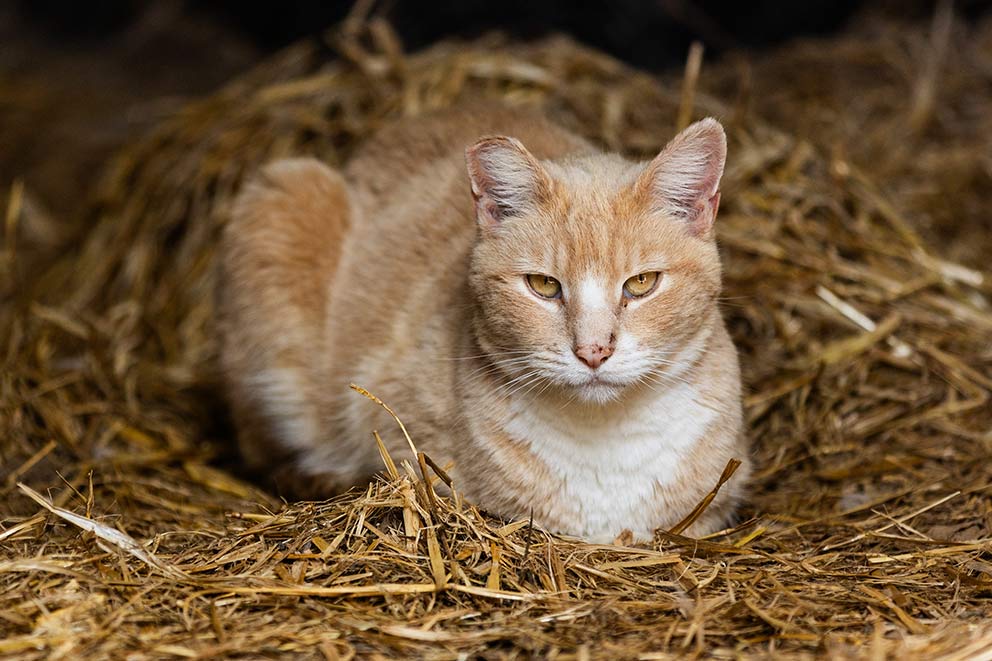
Start your search for a farm cat rescue on our Find a Pet search tool. Farm cats are usually semi-feral or feral and aren’t suited to indoor homes, but can thrive in outdoor environments such as farms, smallholdings or stables. Each profile explains the cat’s needs and the type of setup they’re looking for.
Each profile explains the animal’s background, needs and the type of environment they’re looking for, helping you decide whether they could be a good fit for your land and setup.
Apply to adopt a feral cat
Once you’ve decided you want to adopt a feral cat, complete our online application form.
This helps our teams understand your experience, facilities and what kind of cat you’re able to care for. If the farm cat you apply for isn’t the right match, we’ll help you explore others who may be better suited to your outdoor space and shelter setup.
You don’t need an RSPCA account to apply, but having one makes it easier for you to add cats to your favourites and track your application.
Speak to the team about your setup
If it looks like a good match, our team will contact you to discuss your setup in more detail. We’ll answer your questions and chat to you about the cat’s needs and what you can offer, to see if you’ll work well together. We’ll also find out about your experience, such as if you’re a first-time owner, you've trained an animal before or have previously had a pet with medical or behavioural needs.
This helps us make sure the cat will have a safe territory, reliable food source and appropriate shelter. Unlike companion cats, farm cats don’t usually need to be handled. When adopting a feral cat, the focus is on providing a secure and stable environment.
Prepare your home
Before bringing your cat home, you’ll need to prepare a suitable outdoor setup.
Our team will guide you on providing shelter, food, water and a safe enclosed space for the initial settling-in period. Taking time to prepare properly helps the cat adjust and reduces the risk of them wandering too far too soon.
If you’re collecting your cat, you'll need an appropriate carrier with suitable bedding to transport them home.
Complete the adoption
Once everything is agreed, we’ll guide you, if you’re the lead adopter, through the final paperwork and adoption fee.
You’ll collect your cat from the centre or an agreed location. Our team will explain how to help your barn cat rescue settle safely, including how to introduce them to their new territory gradually. We’ll make sure you have everything you need and help you to your car. If you’re happy to, we may take a photo with you and your new cat.
We can offer ongoing support and advice as your cat adjusts to their new surroundings.
Find a pet
Meet our farm cats

Before you apply
What we need from you
Farm cats have different needs to companion cats. They are often independent and may not seek human interaction, but they still rely on you for daily care and a safe environment.
Before applying to rehome a farm cat, we ask that you:
- Are aged 18 or over
- Have permission from your landlord if you rent
- Can provide a secure outdoor environment such as a farm, smallholding or stable yard
- Can offer appropriate shelter, food and fresh water daily
- Understand that farm cats may not be handleable or suited to indoor living
- Are committed to their long-term care
If the cat you apply for isn’t the right match, we’ll help you explore other suitable cats.
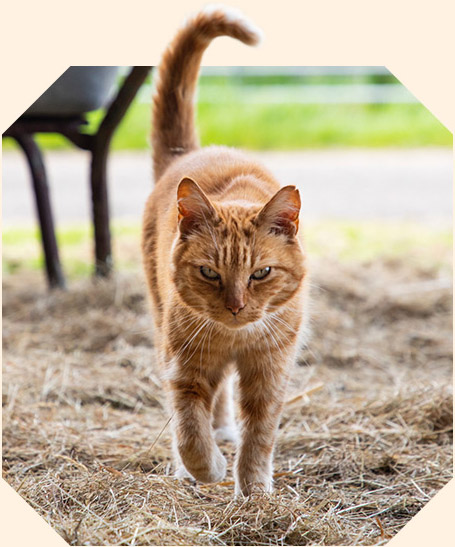
Farm cat adoption fees
If you’re wondering how much it is to rescue a farm cat from the RSPCA, fees may vary depending on the cat and centre.
Our team will explain exactly what’s included for your chosen cat.
Your fee contributes towards:
Health checks and veterinary treatment
Neutering
Vaccinations where appropriate
Microchipping
Frequently asked questions
-
Insurance isn’t always essential, but you should be prepared to cover any veterinary costs if needed.
-
Yes, if you have suitable outdoor space such as stables or a smallholding that provides safety and shelter.
-
We’ll share everything we know about your cat, including their history before they came to us (if we know) and any behaviour or medical assessments they’ve had. If your cat has been under the care of one of our behaviour specialists, you’ll receive a bespoke behaviour report. We pride ourselves on knowing the animals in our care and we’ll share that with you too.
-
Our team can guide you through necessities. Most of our centres sell the essentials in our on-site shops and your purchases directly support our centres.
We recommend all pet owners have pet insurance.
-
We provide a full medical history and it's good practice to arrange a routine vet check post-adoption. In some cases, you may wish to discuss veterinary details with your vet prior to adoption.
-
Most of our centres are not on public transport routes so you’ll need a car and a secure, well ventilated pet carrier. You should travel directly home and avoid getting your pet out of the car until you are safely home.
-
There’s no set time frame for a farm cat to settle into their new home. Every animal is individual, and some may feel comfortable and settle into their new routine quickly, while others may need more time and patience.
-
Possibly. Our team will assess whether your environment is suitable for a farm cat.
-
Yes, but you’ll need permission from your landlord and a suitable outdoor setup.